


Key Takeaways
- Allergies can develop or change as you age due to immune system shifts.
- Watch for respiratory symptoms, skin reactions, and persistent coughs that may indicate allergic responses.
- Indoor allergens like dust mites, mold, and cleaning products commonly trigger reactions in senior living environments.
- Simple changes to your living space and communication with healthcare teams can help manage allergy symptoms.
Managing Allergies as You Age
You might notice that your body reacts differently to things that never bothered you before. Maybe you’re suddenly sneezing around cats, or certain foods leave you feeling uncomfortable. These changes aren’t uncommon as you get older, and Bridge Senior Living understands how these shifts can affect your daily comfort.
Your immune system naturally shifts over time, which can make you more sensitive to allergens or even trigger entirely new allergic reactions. Understanding these changes and knowing how to respond can help you maintain comfort and wellbeing in independent living, assisted living, and memory care environments.
What Makes Allergies Different for Seniors
As you age, your immune system undergoes natural changes that can affect how your body responds to allergens. These shifts might make existing allergies feel different or cause new sensitivities to develop where none existed before.
Your body’s ability to process and eliminate allergens can slow down, meaning reactions might last longer or feel more intense. Common triggers that affect many older adults include seasonal pollen, household dust, pet dander, certain medications, and food ingredients that never caused problems in the past.
Signs of Allergic Reactions to Watch For
Respiratory Symptoms
Pay attention to sneezing fits that happen at specific times or in certain locations. You might notice congestion that comes and goes or seems tied to particular activities or environments.
Breathing difficulties, wheezing sounds when you exhale, or a persistent cough that doesn’t respond to typical remedies can signal allergic reactions. These symptoms often feel different from cold symptoms because they tend to follow patterns related to your exposure to specific triggers.
Skin and Eye Reactions
Your skin might develop red, itchy patches, raised bumps, or hives after contact with certain materials or substances. These reactions can appear immediately or develop gradually over hours.
Watery, red, or irritated eyes often accompany other allergy symptoms. You might also notice swelling around your eyes, face, hands, or feet, which can indicate a more serious allergic response that needs attention.
Common Allergy Triggers in Senior Living Environments
Indoor Allergens
Dust mites thrive in bedding, upholstered furniture, and carpeting. These microscopic creatures feed on dead skin cells and can trigger reactions even in well-maintained spaces. Pet dander from therapy animals or visitors’ pets can linger in fabrics and air systems long after the animals leave.
Mold and mildew grow in humid areas like bathrooms, laundry rooms, or anywhere moisture collects. Strong cleaning products, air fresheners, and scented items can irritate sensitive respiratory systems, even when used appropriately.
Food Allergies and Sensitivities
Some medications can increase your sensitivity to foods you’ve eaten comfortably for years. Your digestive system might also become more reactive to ingredients like dairy, gluten, or certain preservatives.
Cross-contamination in shared dining spaces can expose you to allergens even when you avoid specific foods. New food allergies can develop at any age, making it important to notice patterns between what you eat and how you feel afterward.
Practical Steps to Reduce Allergy Exposure
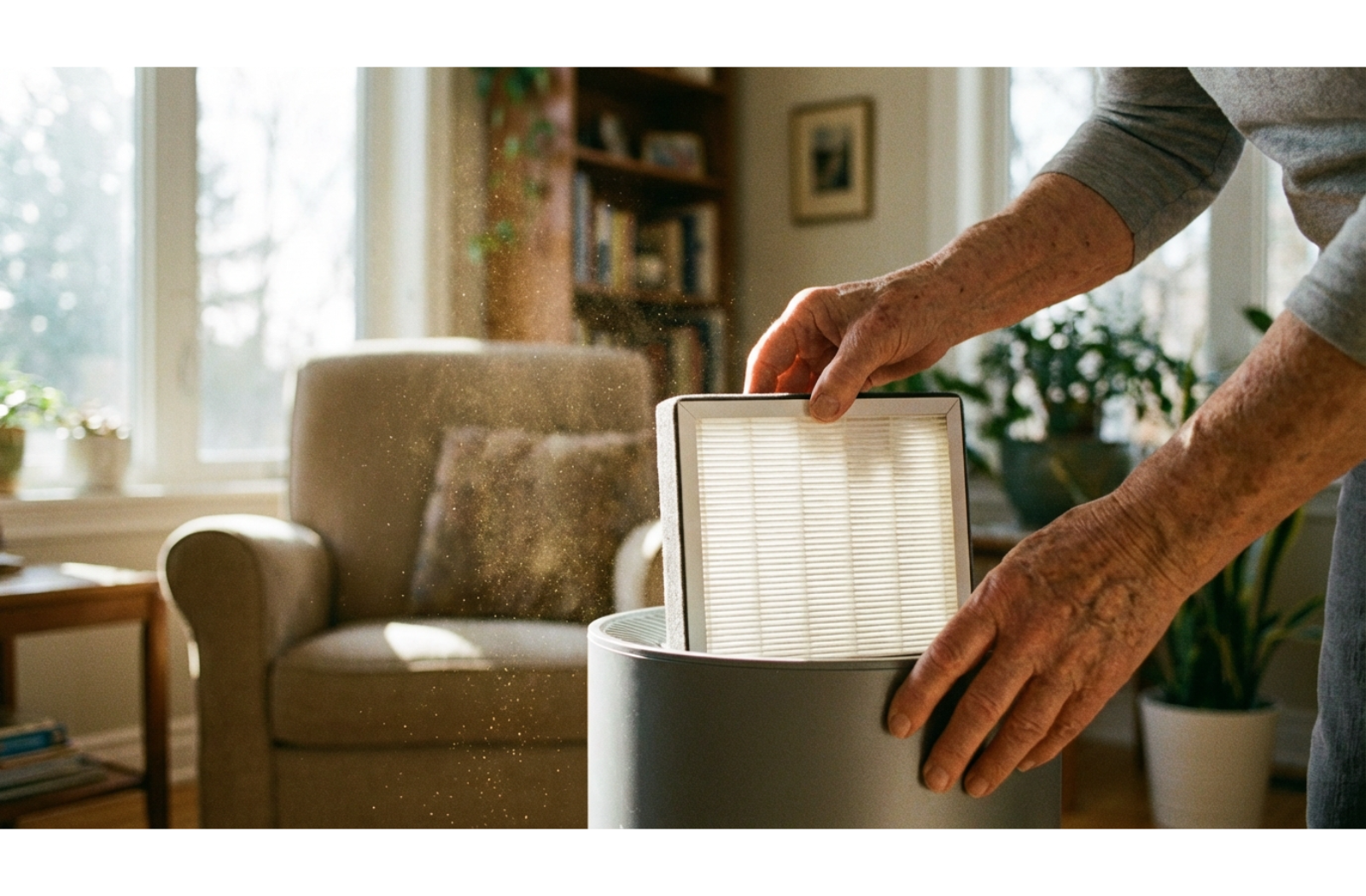
Creating an Allergy-Friendly Living Space
Air purifiers with HEPA filters can remove many airborne allergens from your living space. Keep windows closed during high pollen days and use air conditioning to filter incoming air when possible.
Choose bedding materials that resist dust mites, such as tightly woven fabrics or specially designed covers. Wash bedding weekly in hot water. Hard flooring surfaces collect fewer allergens than carpeting, and regular vacuuming with HEPA-filtered machines helps reduce dust buildup. Staying well-hydrated can also help your body process allergens more effectively.
Working with Healthcare Teams
Keep a simple diary noting when symptoms occur, what you were doing, and what you might have been exposed to. This information helps healthcare providers identify patterns and potential triggers.
Ask about allergy testing options appropriate for your age and health situation. Discuss all your medications, including over-the-counter items, since some drugs can interact with allergy treatments or worsen symptoms.
Bridge Senior Living Communities Support Your Comfort
Senior living communities can work with you to accommodate food allergies through modified meal plans and careful kitchen practices. Housekeeping teams can adjust cleaning products and schedules based on your sensitivities, using gentler alternatives when needed.
Clear communication between you, your family, and community staff helps everyone understand your specific needs and triggers. Many communities maintain protocols for recognizing and responding to allergic reactions, including coordination with healthcare providers and emergency services when necessary.
At Bridge Senior Living, our communities focus on creating environments where you can live comfortably with your individual health needs, providing wellcare that addresses the details affecting your daily comfort.
Want to see it in person? Find a community near you and schedule a tour today.