

Key Takeaways
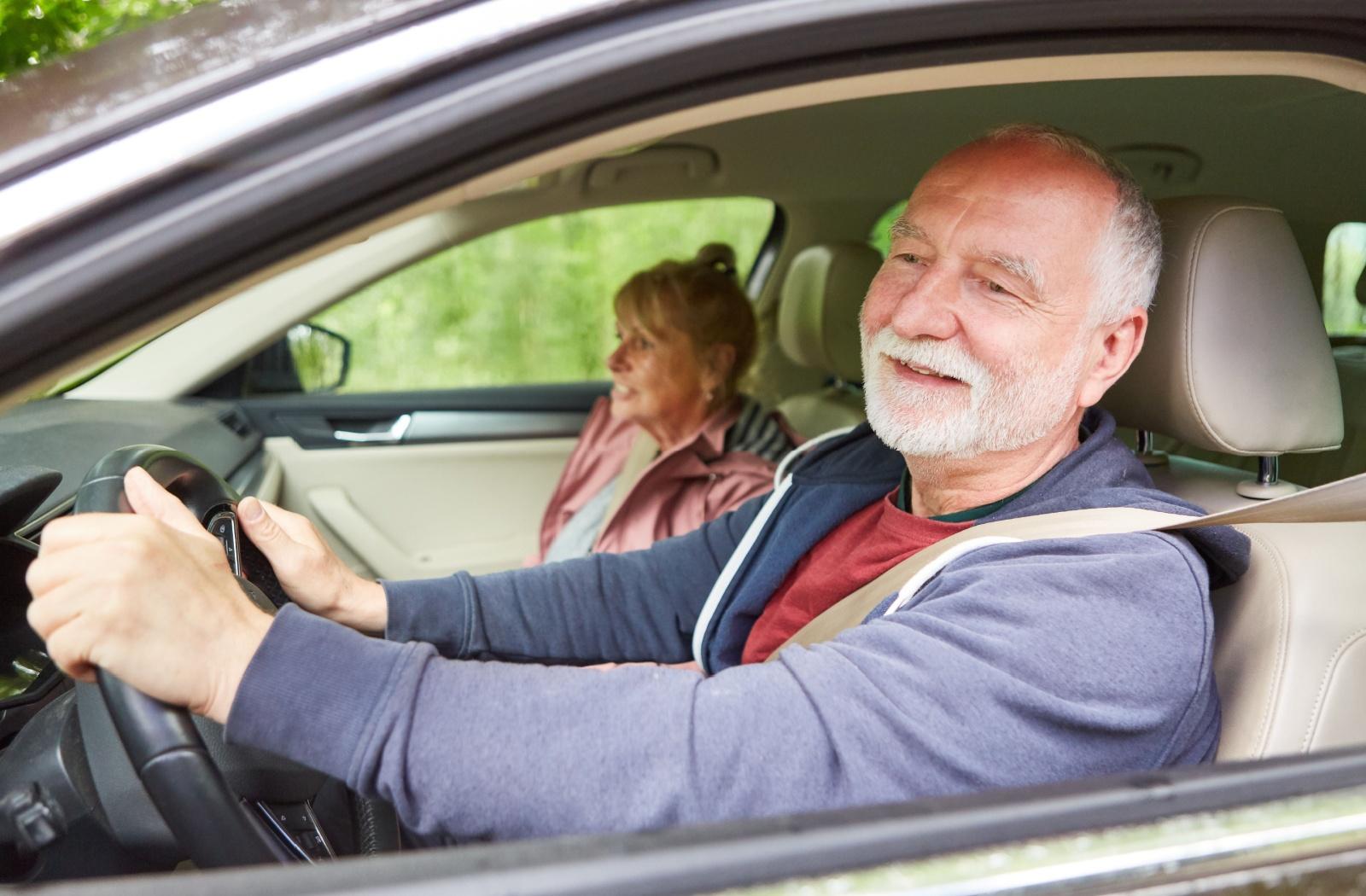
- Regular self-assessment of your driving abilities helps you stay safe and maintain independence longer.
- Warning signs like getting lost in familiar areas or feeling anxious while driving indicate it’s time to reassess your capabilities.
- Multiple transportation alternatives exist, including rideshare services, public transit, and senior living communities with built-in transportation.
- Open conversations with family and healthcare providers help you plan for transportation changes before they become urgent.
Evaluating Your Current Driving Abilities
Your relationship with driving changes over time, and staying aware of these shifts helps you make informed decisions about your safety and independence. Regular evaluation of your driving abilities allows you to adapt your habits and maintain control over your transportation choices. At Bridge Senior Living, we understand that transportation concerns play a significant role in decisions about senior living.
Physical changes naturally occur as you age, affecting various aspects of driving. Your reflexes may slow down, making it harder to react quickly to unexpected situations like a child running into the street or a car suddenly stopping ahead of you. Joint stiffness can make it more difficult to turn your head to check blind spots or quickly turn the steering wheel when needed.
Recognizing Important Warning Signs
Several clear indicators suggest it’s time to take a closer look at your driving habits. Getting lost in neighborhoods you’ve known for years signals potential cognitive changes that affect navigation skills. You might find yourself confused at intersections you’ve navigated hundreds of times before.
Close calls and minor accidents often serve as wake-up calls. Perhaps you’ve scraped against a parking garage wall or had someone honk at you for not noticing a traffic signal change. Family members and friends may express concerns about your driving, and while these conversations can feel uncomfortable, they often come from a place of caring. Approaching these conversations requires sensitivity and understanding.
Night driving becomes particularly challenging as vision changes affect your ability to see clearly in low-light conditions. Glare from oncoming headlights can become overwhelming, and distinguishing between different objects on the road becomes more difficult.
Maintaining Your Safe Driving Habits
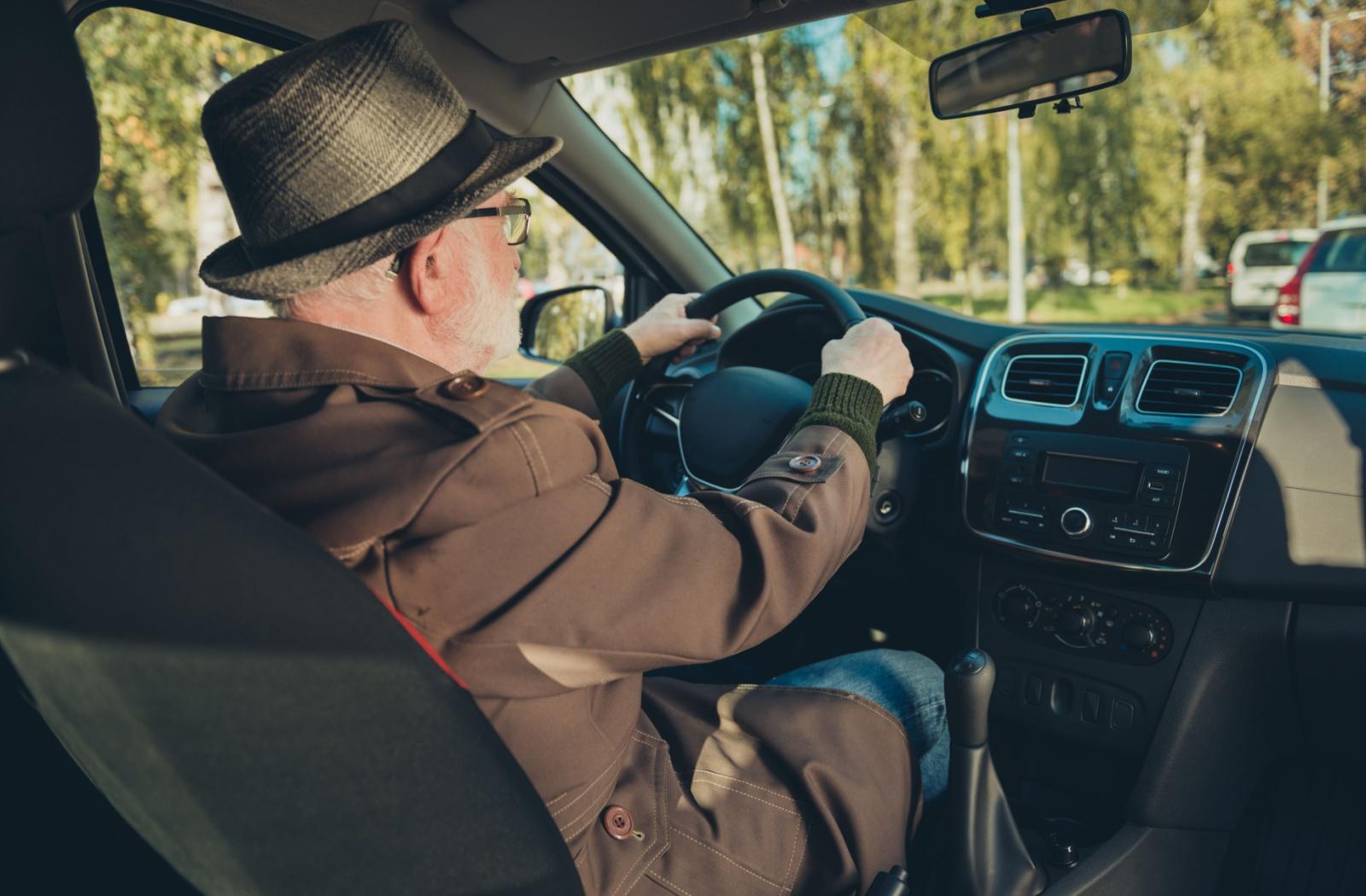
Proactive steps help you continue driving safely for as long as possible. Regular vision and hearing checkups catch changes early, allowing you to address issues with updated prescriptions or hearing aids before they significantly impact your driving.
Review your medications with your doctor, paying attention to side effects that might affect alertness, balance, or reaction time. Some medications cause drowsiness or dizziness, while others can affect your depth perception or coordination. Medication side effects can also increase fall risk when you’re getting in and out of your vehicle.
Driving refresher courses designed for mature drivers teach updated traffic rules and defensive driving techniques. These courses also help you practice skills in a supportive environment. Consider limiting your driving during challenging conditions like heavy rain, snow, or rush hour traffic when roads become more unpredictable.
Transportation Alternatives and Options
Multiple transportation options can supplement or replace driving as your needs change. Public transportation systems in many areas offer reduced fares for seniors and accessible vehicles for those with mobility challenges. Bus routes often connect to shopping centers, medical centers, and community centers.
Rideshare services and traditional taxi companies provide door-to-door transportation without the stress of driving and parking. Many drivers are experienced working with older adults and can assist with groceries or packages. Understanding how aging affects driving helps you make informed decisions about when to use alternative transportation.
Family and friend networks often welcome opportunities to help with transportation, especially for regular appointments or social activities. Community shuttle programs specifically serve older adults, offering scheduled trips to grocery stores, medical appointments, and community events.
Senior Living Community Transportation Benefits
Senior living communities address transportation challenges through comprehensive services that support your independence in new ways. These communities typically provide scheduled transportation for medical appointments, eliminating the stress of navigating to unfamiliar healthcare locations or dealing with hospital parking.
Regular shopping trips and errands become coordinated group activities, allowing you to maintain your routines without the responsibility of driving. Social outings to restaurants, cultural events, and recreational activities help you stay connected to your community. Senior living communities create opportunities for social engagement without the transportation barriers.
Many senior living communities design their campuses to be walkable, with dining, fitness centers, and social spaces within easy reach. This reduces your daily dependence on transportation while keeping you active and engaged.
Navigate Transportation Conversations and Changes
Open discussions with family members about your driving concerns help everyone prepare for potential changes. Share your observations about any challenges you’re experiencing, and listen to their perspectives about what they’ve noticed.
Your healthcare team can provide valuable input about how your current health conditions might affect driving safety. They can also suggest adaptive equipment or techniques that might help you continue driving safely.
Planning for transportation needs before they become urgent gives you more control over the transition. At Bridge Senior Living, we understand that transportation concerns often influence decisions about senior living, and their transportation services help residents maintain their connection to the broader community while providing peace of mind about getting where they need to go.
To learn more about how our communities support transportation needs, schedule a tour today. We look forward to showing you all the ways we can help.